

The Impact of Dubai's Economic Vision 2030 on Commercial Property Values
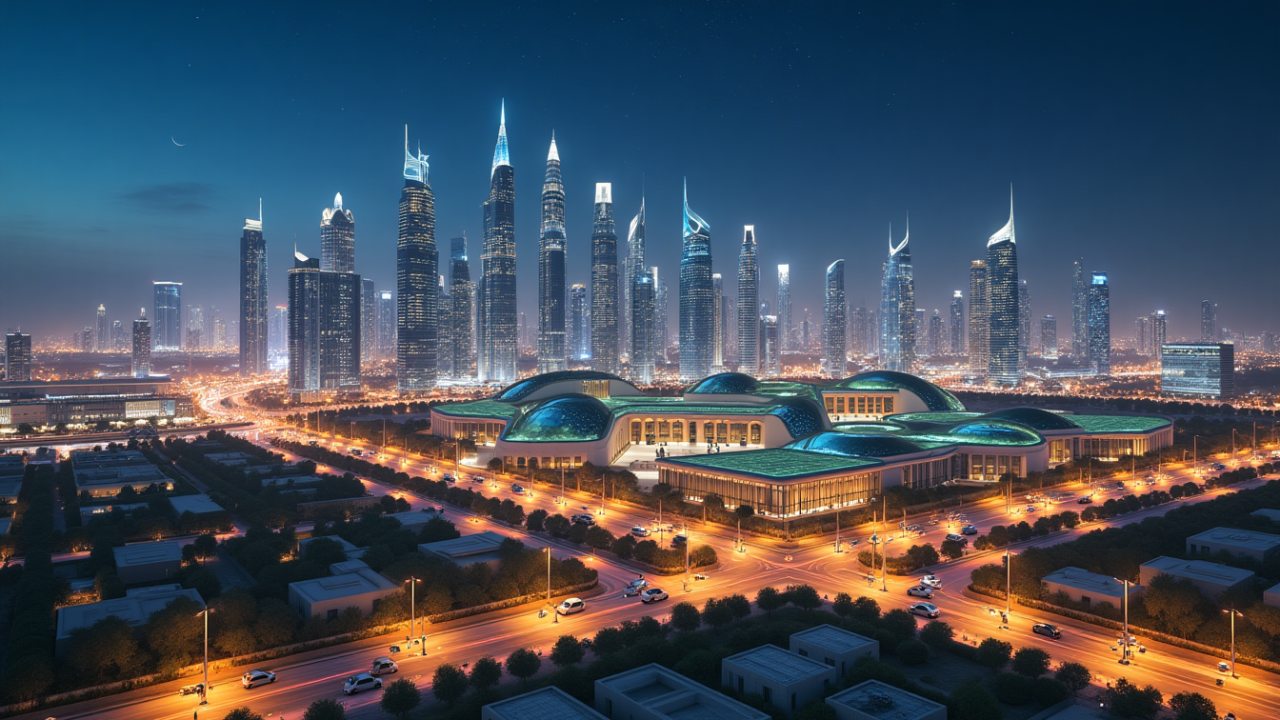
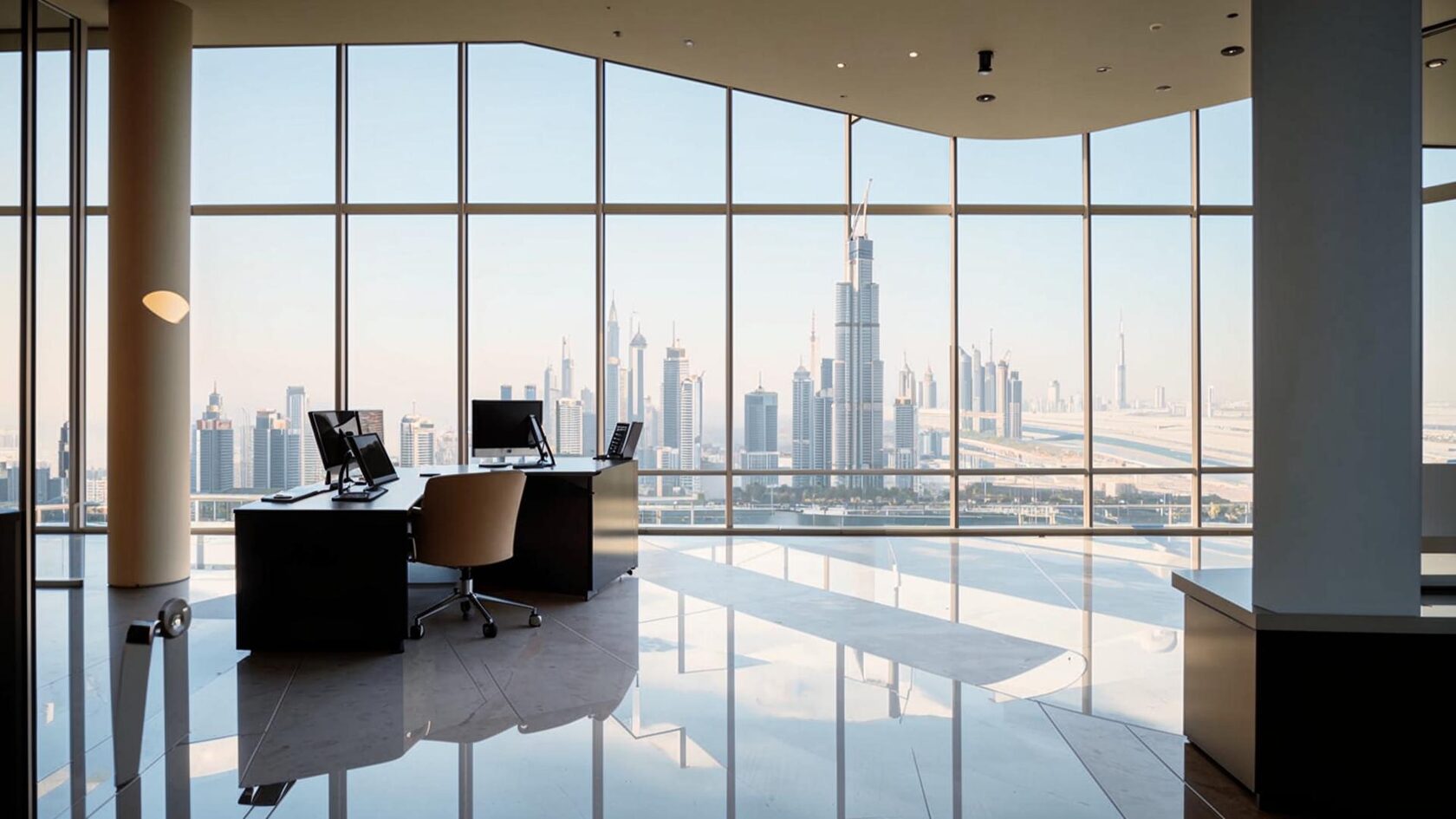
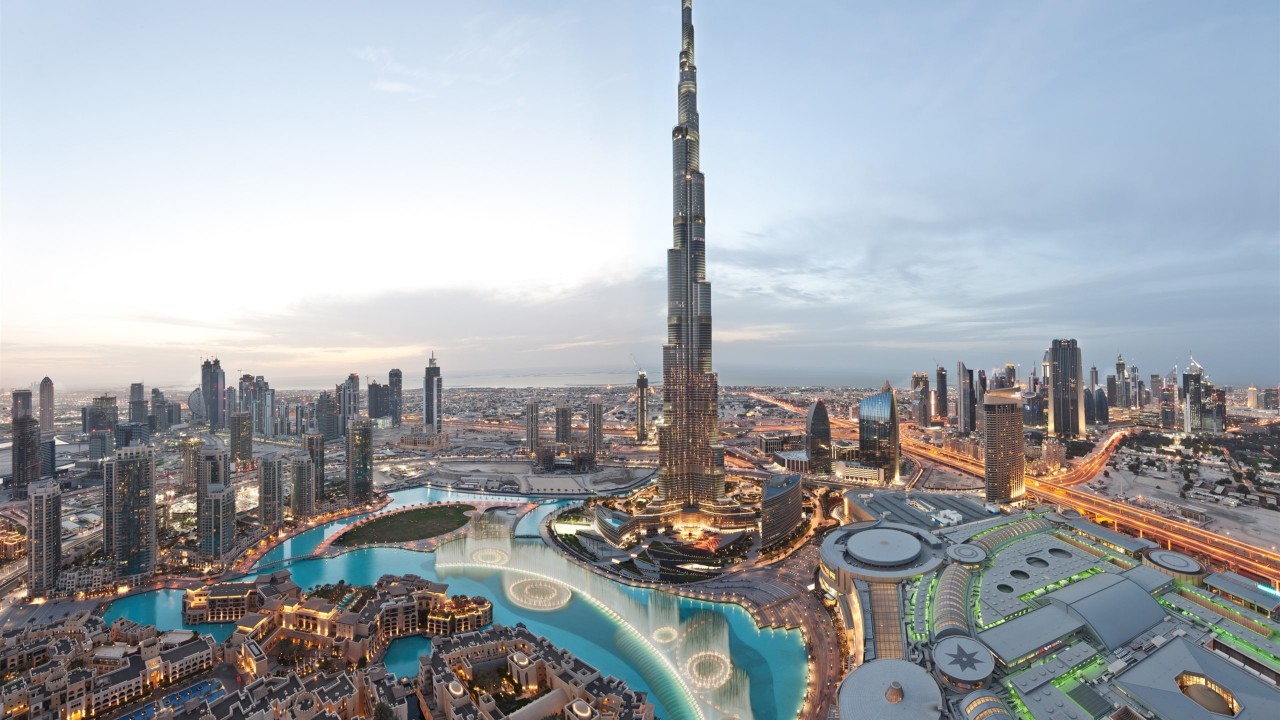
Dubai's skyline, a permanent construction site of ambition, tells a story of relentless growth. Behind the ascent of its towers lies a powerful, deliberate force: the Economic Vision 2030. This national strategy, focused on pivoting the economy away from hydrocarbon dependency, has become the primary architect of the city's commercial real estate destiny.
The impact on the values of commercial real estate investments in Dubai is not a side effect, but a direct and measurable outcome of a carefully executed plan.
Engineering a New Economic Foundation
The Economic Vision 2030 functions as a master blueprint for a knowledge-based economy. Its core pillars, which include economic diversification into sectors like technology, finance, and tourism; sustainable urban development; and a significant increase in foreign direct investment, are not abstract goals. Each pillar generates specific, tangible demand for commercial space.
This strategic shift moved the commercial market from a speculative venture to a fundamental component of national infrastructure, underpinning asset values with concrete economic activity.
The Foreign Investment Catalyst
A central objective of Vision 2030 involves attracting global capital and talent. Policy reforms, including expanded freehold ownership zones, long-term residency visas like the Golden Visa, and streamlined regulatory frameworks, directly answered investor requirements for access and stability.
This created an influx of international capital, with investors viewing commercial property as a foothold in a rapidly diversifying economy. The resulting demand from multinational corporations establishing regional headquarters and specialized firms investing in business opportunities in Dubai placed sustained upward pressure on prime office rents and capital values in core business districts like the DIFC and Downtown Dubai.
Sector-Specific Demand and the Rise of New Hubs
Vision 2030's focus on specific industries has dictated the development and valuation of distinct commercial sub-markets.
- The Logistics and Industrial Boom: Economic diversification necessitates a robust supply chain. The growth in manufacturing, e-commerce, and air freight has driven a parallel surge in demand for high-specification logistics warehouses and industrial facilities.
- Investment in Education Infrastructure: Dubai's rapid population growth, driven by its economic expansion, has created an urgent need for increased educational capacity. This has led to significant investments in the development of new schools and educational institutions, particularly within established residential areas and emerging communities, driving demand and value for properties zoned for educational purposes.
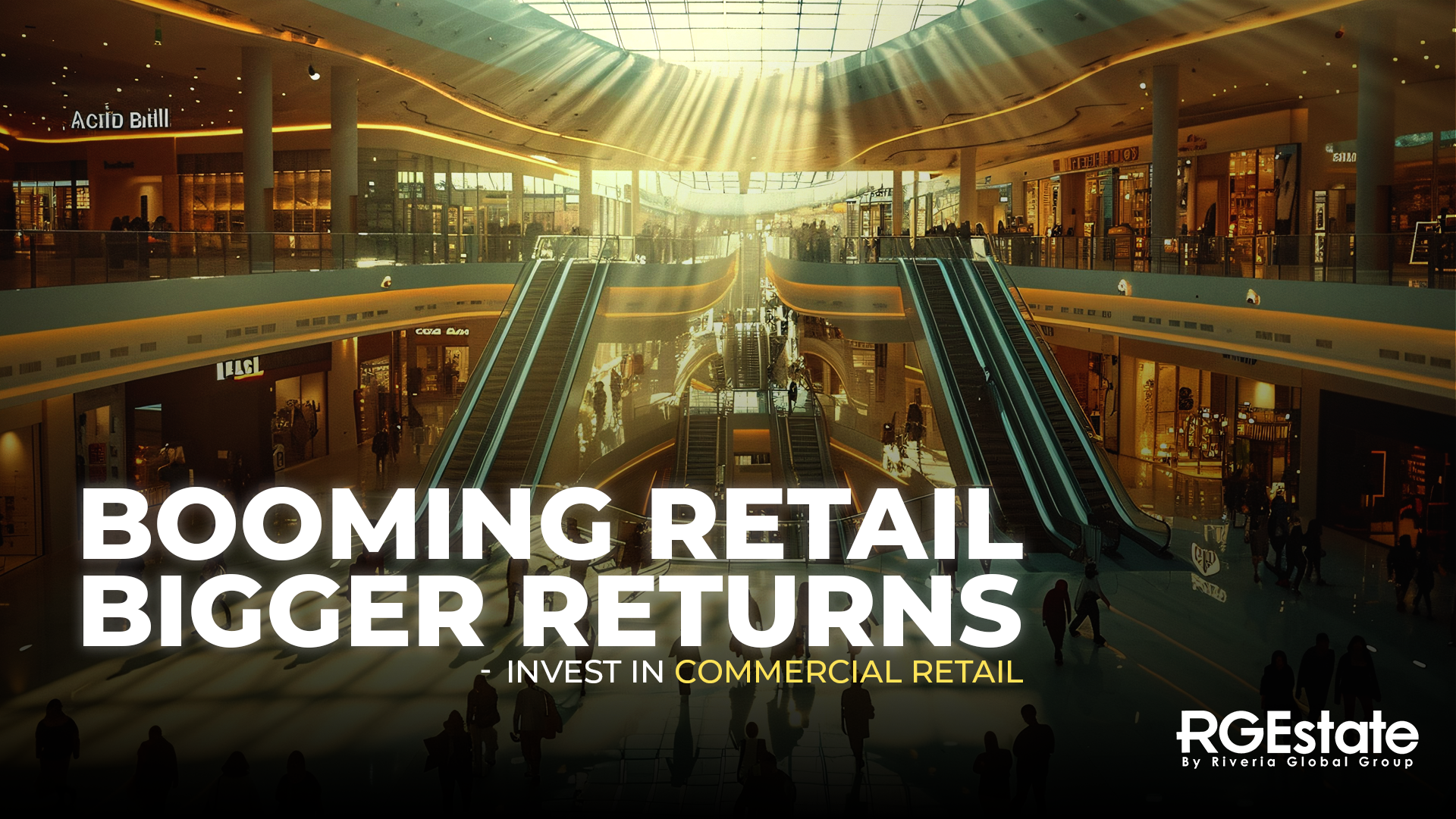
- The Hospitality and Retail Expansion: With tourism being a central pillar of diversification, the commercial market for hotels, serviced apartments, and large-scale retail complexes has expanded. Major new developments aligned with tourism growth demonstrate investor confidence in the sector's long-term viability, solidifying the value of hospitality-linked real estate.
Sustainability as a Value Driver
The Vision's emphasis on sustainable urban development has moved from a design preference to a core value determinant. Commercial properties with LEED or BREEAM certifications, energy-efficient systems, and smart building management capabilities now achieve higher rental premiums and attract more reputable tenants.
Investors and corporate occupants increasingly factor operational efficiency and environmental credentials into their decisions, creating a clear value distinction between modern, sustainable buildings and older stock.
The Foundation of Long-Term Stability
The ultimate effect of Vision 2030 on commercial property values is the establishment of a more stable and predictable market. The previous cycles of boom and bust, tied to speculative fervor, have given way to growth underpinned by structural economic changes.
Investors now assess commercial real estate based on the performance of the diversified sectors it houses, from financial institutions to logistics operators and tourism enterprises. This direct link to the real economy provides a firmer foundation for valuations, suggesting that the market's current strength is built on a more resilient and durable base.
The trajectory of Dubai's commercial property market is now inextricably linked to the execution of Vision 2030. The plan has successfully engineered a self-reinforcing cycle: strategic policy attracts global businesses, which demand high-quality commercial space, which in turn drives property values and encourages further investment in development. In this context, commercial real estate is both a beneficiary and a barometer of the UAE's successful economic evolution.
RGEstate - Premium Commercial Real Estate Agency in Dubai
RGEstate operates at the intersection of this strategic vision and commercial real estate execution. Our focus is on identifying premium commercial assets for rent and sale that directly benefit from the structural shifts outlined in Economic Vision 2030. By providing expert analysis on sectors poised for growth, from high-specification logistics warehouses to sustainable, certified office towers, we enable investment decisions grounded in the long-term fundamentals of Dubai's diversified economy.
Posts